
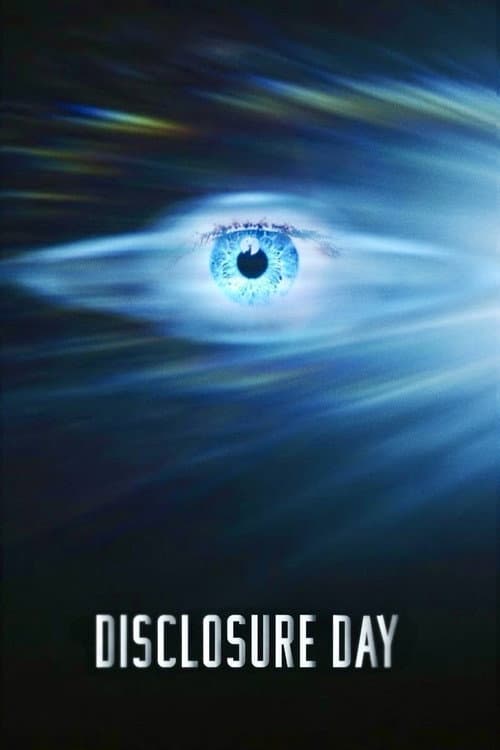
The history of science fiction cinema is built upon a single, terrifying precipice: the moment humanity realizes it is no longer the master of its own domain. From the existential paranoia of the Cold War era to the slick, digital-age mysteries of the twenty-first century, filmmakers have continuously probed our collective anxiety about what lurks in the dark expanse of the cosmos. Yet, very few cinematic properties dare to focus not on the monsters arriving from the sky or the sprawling interplanetary wars, but on the agonizing, bureaucratic, and psychological friction of the exact second truth becomes undeniable. Enter Disclosure Day, scheduled for theatrical release on June 12, 2026, a project positioning itself as a cerebral anchor in a blockbuster landscape increasingly dominated by familiar IP and fatigue-inducing sequels.
As audiences grow more sophisticated, their appetite for cheap jump scares and mindless CGI spectacle has evolved into a craving for intelligent, tightly wound mysteries. The premise of Disclosure Day taps directly into contemporary anxieties surrounding institutional trust, government transparency, and the dizzying speed of information dissemination. In an era where real-world headlines routinely blur the line between science fiction and surreal reality, a fictional narrative about definitive proof of extraterrestrial presence carries immense cultural resonance. It shifts the cinematic lens away from external explosions and places it squarely on human fragility—how societies fracture, how global markets react, and how individual psyches cope when the fundamental architecture of human history is upended overnight.
Decoding the Sci-Fi Mystery Framework and Market Timing
The strategic placement of Disclosure Day in the fierce early-summer movie season demonstrates enormous confidence from its backers. While competing studios traditionally flood June with loud comic book adaptations and four-quadrant family animations, carving out a space for a moody, high-concept mystery-thriller is a calculated gamble. This counter-programming strategy historically appeals to mature cinemagoers who yearn for the intellectual rigor reminiscent of classic 1970s and 1980s speculative cinema, where mood, pacing, and philosophical inquiry outweighed sheer pyrotechnics. The film's early promotional footprint suggests a meticulous adherence to tension-building, withholding far more than it reveals in order to cultivate a lingering sense of unease among prospective viewers.
Furthermore, the creative DNA of modern sci-fi thrillers relies heavily on atmosphere and claustrophobic world-building. Rather than relying on sweeping space panoramas, narratives dealing with first contact disclosures often find their greatest dramatic power in closed rooms, tense interrogation sequences, and the quiet panic of scientific or governmental institutions trying to contain a revelation that cannot be put back into the box. This stylistic choice not only helps manage production constraints with artistic flair but also deepens audience immersion, forcing spectators to piece together clues alongside the fictional characters. The atmospheric dread generated by the marketing campaign points to a director and writing team deeply versed in the grammar of psychological suspense.
- Official Title: Disclosure Day
- Release Date: June 12, 2026
- Primary Genres: Mystery, Sci-Fi, Thriller
- Platform: Theatrical Release
Cultural Relevance for Global and CIS Cinephiles
For audiences across Eastern Europe, Central Asia, and the broader CIS region, high-concept science fiction has always held a special philosophical weight. Rooted in a rich literary tradition of cosmic pessimism and philosophical inquiry—championed by legendary thinkers and writers like the Strugatsky brothers and cinematic visionaries like Andrei Tarkovsky—viewers in these markets traditionally appreciate speculative cinema that treats existential questions with gravity and artistic ambition. Disclosure Day arrives in a transnational cinematic ecosystem where local audiences are increasingly attuned to global cinematic trends while retaining a deep-seated love for stories that examine the ethical dilemmas of scientific advancement and societal disruption.
As the international distribution rollout takes shape for mid-2026, cinephiles from Tashkent to Almaty and beyond will undoubtedly analyze how Western Hollywood structures contemporary paranoia. The film's core theme—the sudden, irreversible shattering of a worldview—echoes through various historical and cultural touchstones unique to post-Soviet societies, where rapid societal transformations are living memory rather than abstract theory. Whether Disclosure Day ultimately achieves enduring classic status or serves as a sharp, fleeting adrenaline shot for the summer box office, its arrival signals a welcome return to cerebral, dialogue-driven science fiction that respects the intelligence of its audience.