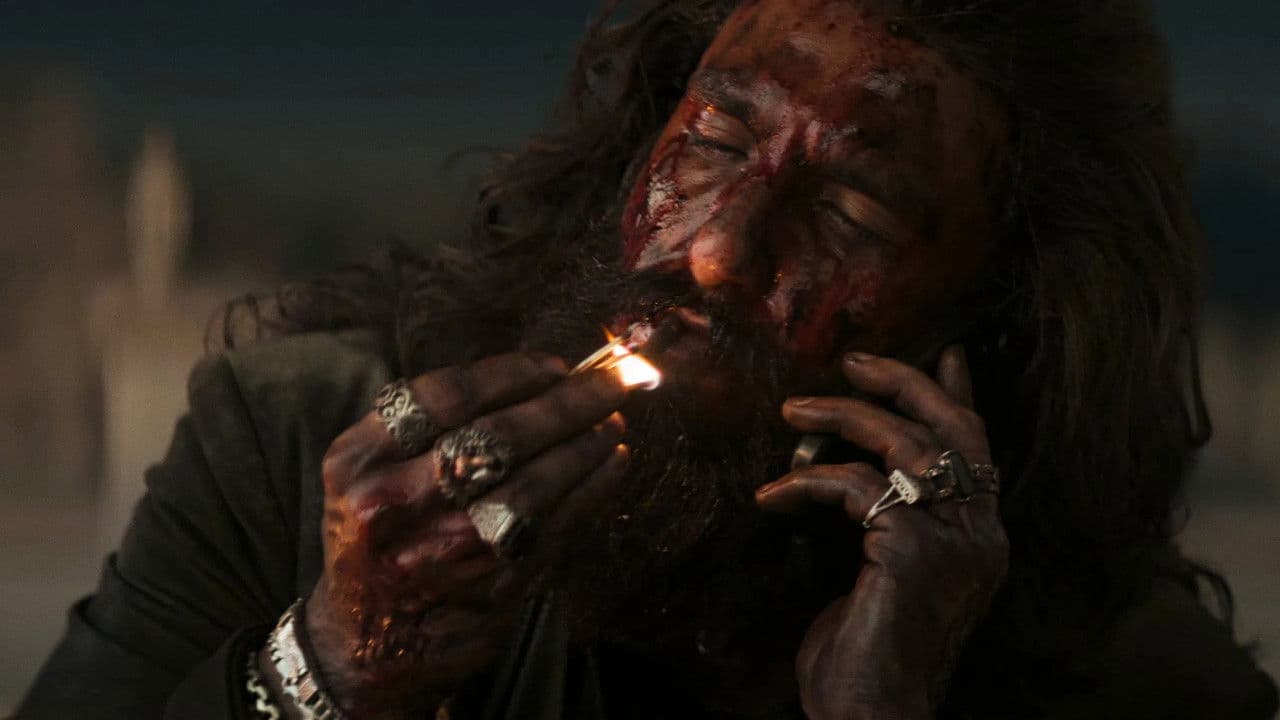
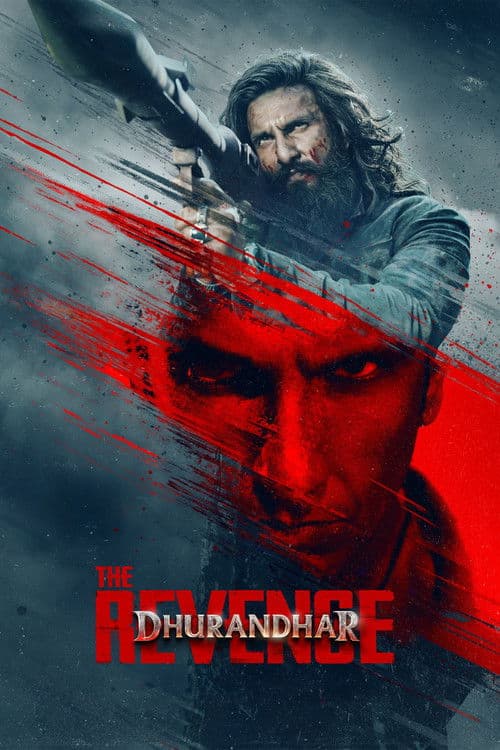
The cinematic landscape of South Asian action cinema has undergone a seismic shift over the past decade, moving away from glossy, escapist melodrama toward gritty, hyper-realist geopolitical thrillers. At the forefront of this evolution stands Dhurandhar: The Revenge, a film that has finally landed in theaters to massive anticipation. Picking up the threads of a complex narrative web, the movie drops viewers straight back into the labyrinthine alleys of Lyari, a historically volatile district of Karachi that serves as a boiling pot for criminal syndicates, corrupt state actors, and covert intelligence operations. As the protagonist Hamza finds his patriotic mandate irrevocably compromised by personal trauma and systemic betrayal, the film strips away traditional notions of cinematic heroism. What remains is a raw, unflinching exploration of moral decay where the boundary separating a dedicated patriot from a ruthless monster dissolves completely amidst the gunfire and tear gas of urban warfare.
The Anatomy of Modern South Asian Noir and Espionage
To fully appreciate the cultural and cinematic weight of Dhurandhar: The Revenge, one must examine the lineage of the South Asian crime epic. For decades, regional cinema treated underworld settings as mere backdrops for larger-than-life romantic heroes or cartoonish villains. However, contemporary filmmakers have increasingly looked to international noir traditions—blending the cynical fatalism of classic Hollywood crime dramas with the socio-political complexities unique to post-colonial urban centers. Lyari itself becomes a primary character in the film: a claustrophobic maze of concrete, poverty, and unchecked power where rival gangs operate under the tacit protection of high-ranking officials. Into this pressure cooker steps Major Iqbal, a chillingly methodical antagonist whose cold calculations represent the institutional indifference that crushes ordinary lives.
Directorially and aesthetically, the film leans heavily into desaturated color palettes, claustrophobic close-ups, and long-take action sequences that reject standard hyper-kinetic editing in favor of spatial clarity and visceral impact. The fight choreography avoids wire-fu fantasy, favoring brutal, exhaustion-driven close-quarters combat that reflects the physical toll of survival in a war zone. For audiences in Central Asia and the broader CIS region—territories with a deep historical appreciation for hard-boiled crime fiction, gritty Soviet-era noir, and complex geopolitical storytelling—Dhurandhar: The Revenge offers a strikingly familiar yet culturally distinct flavor of dramatic tension. The thematic preoccupation with state corruption, individual alienation, and the heavy moral cost of serving opaque power structures resonates deeply across borders where political cynicism and realpolitik are everyday realities.
Production Scale, Cast Dynamics, and the Path Ahead
Behind the unrelenting tension on screen lies a massive logistical undertaking. Bringing the chaotic streets of Lyari to life required meticulous production design, extensive location scouting, and a grueling physical transformation by the principal cast. The ensemble features a compelling mix of seasoned dramatic heavyweights and rising action stars who lend emotional authenticity to the high-stakes narrative. The central conflict between Hamza and Major Iqbal is carried by powerhouse performances that elevate the material above standard B-movie shootouts, grounding the geopolitical stakes in intensely personal animosities and psychological vulnerability.
- Title: Dhurandhar: The Revenge
- Genre: Action / Crime Thriller / Geopolitical Espionage
- Setting: Lyari, Karachi
- Core Themes: State corruption, vengeance, loss of morality, urban warfare
- Current Status: Now playing in theaters worldwide
As Dhurandhar: The Revenge establishes its footprint at the box office, industry analysts are closely monitoring its performance to gauge the global appetite for darker, more uncompromising regional cinema. The film proves that audiences are hungry for narratives that refuse easy moral resolutions and challenge viewers to question the machinery of power. For film enthusiasts looking for their next major cinematic obsession, this release is mandatory viewing, setting a punishingly high standard for whatever action epics choose to follow in its wake.