
The contemporary horror landscape is undergoing a fascinating metamorphosis. Gone are the days when the genre relied exclusively on straightforward slasher tropes or conventional jump scares. Today's audiences crave sophisticated, psychological terror that mirrors internal anxieties about trust, identity, and the fragile nature of human perception. Enter Crash Season, an upcoming psychological horror feature slated for release on June 23, 2026. Directed towards fans of elevated genre cinema, the film positions itself at the intersection of body horror and existential dread, exploring what happens when the person sleeping next to you suddenly becomes an utter stranger.
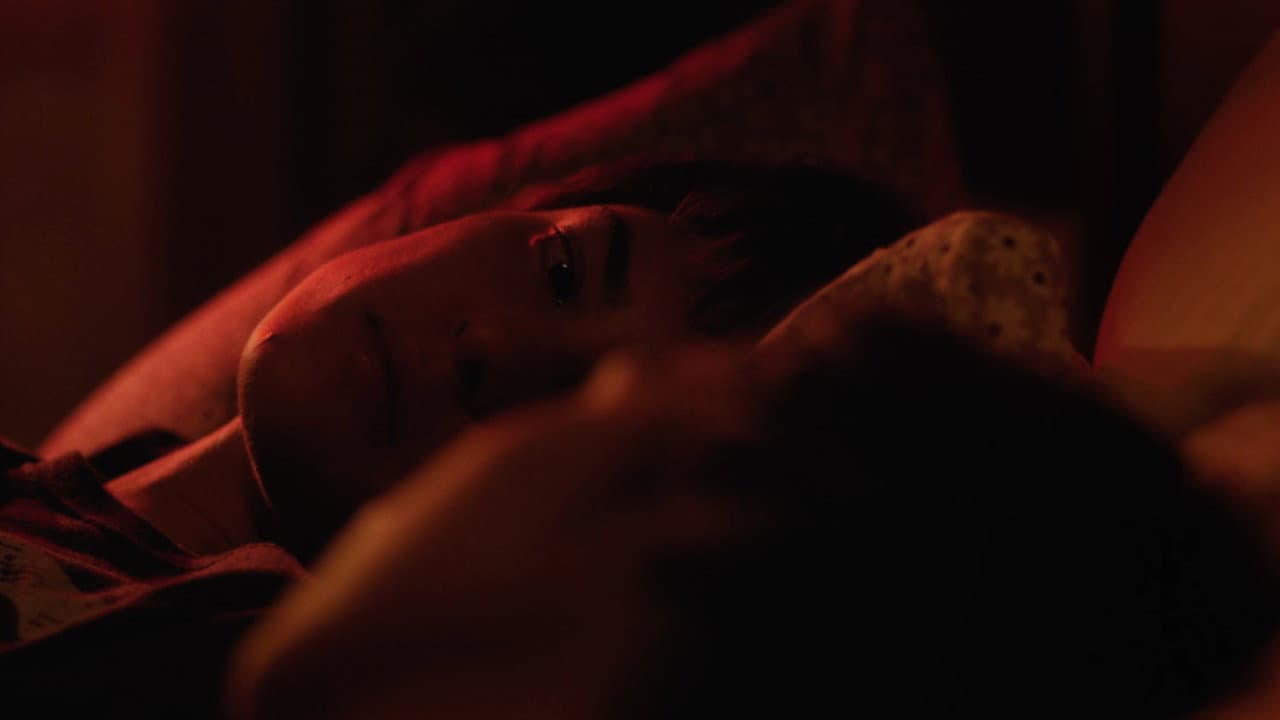
At the narrative core of the film is a deeply unsettling premise: a routine physical feature, a familiar scar on the chin of a character named Mari, vanishes without a trace. This microscopic anomaly triggers a monumental psychological collapse in her partner, Max. Instead of dismissing it as a medical oddity or a trick of the light, Max spirals into a profound paranoid conviction that Mari has been systematically replaced by an indistinguishable imposter. This narrative hook immediately draws comparisons to classic cinematic explorations of the Capgras delusion and sci-fi tropes akin to Invasion of the Body Snatchers, yet it filters these grand speculative concepts through an intimate, claustrophobic relationship drama.
The Anatomy of Paranoia: Why Identity Theft Tropes Resonate Today
The fear of the imposter among us is perhaps one of the oldest psychological dreads known to storytelling, tapping straight into evolutionary survival mechanisms. In an era dominated by hyper-connectivity, deepfakes, and the constant digital curation of identity, movies like Crash Season resonate with profound modern relevance. When we no longer fully trust what we see on screens or even in our mirrors, the horror of waking up next to someone whose authenticity is questionable strikes an uncomfortably resonant chord. Contemporary independent horror has increasingly utilized these domestic settings to dismantle our sense of safety, proving that the most terrifying monsters are not hidden in dark basements, but sitting across from us at the breakfast table.
For film enthusiasts across the CIS and Central Asian regions, the arrival of such high-concept psychological thrillers highlights a broader cultural shift in distribution and taste. Audiences in Tashkent, Almaty, and beyond have increasingly embraced international arthouse horror—films that prioritize mood, philosophical ambiguity, and slow-burn tension over mindless gore. While blockbuster franchises continue to dominate multiplexes, the digital streaming ecosystem and specialty cinema circuits have created fertile ground for intellectual chillers like Crash Season to find passionate, analytical fanbases who dissect every frame for hidden meaning.
Production Context and What to Anticipate Next
While specific casting details and studio backing for Crash Season are still rolling out closer to its mid-2026 debut, industry insiders note that the production leans heavily on minimalist cinematography and sonic dread. Rather than relying on deafening orchestral stings, sound design is expected to play a crucial role in amplifying Max's internal fracture. Every ticking clock, muffled breath, and floorboard creak will likely be weaponized to keep viewers questioning whether Max is uncovering a sinister conspiracy or descending into complete psychological isolation.
- Release Date: June 23, 2026
- Primary Genre: Psychological Horror / Thriller
- Core Theme: Doppelgängers, Gaslighting, and Paranoid Realism
- Target Audience: Fans of elevated indie horror, cerebral thrillers, and mystery dramas
As the June 23 release date approaches, cinephiles should keep a close eye on upcoming teaser trailers and festival circuit screenings. Films that deal in ambiguous psychological spaces often rely on early word-of-mouth from genre festivals to establish their credibility. Whether Mari is truly an imposter or Max is merely losing his grip on sanity remains the ultimate cinematic puzzle. Until the premiere, audiences looking for similar viewing experiences might explore modern psychological classics like Primer, Coherence, or It Comes at Night—films that similarly trap their characters in inescapable loops of doubt and mounting terror.