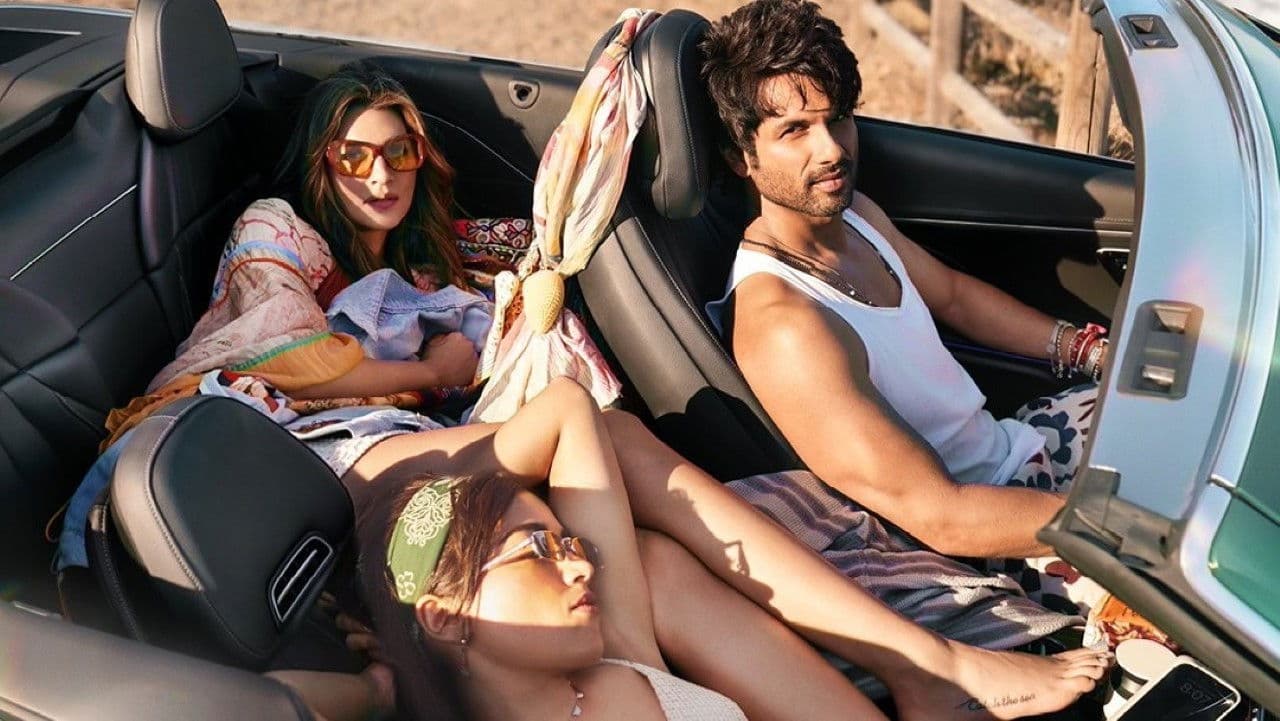
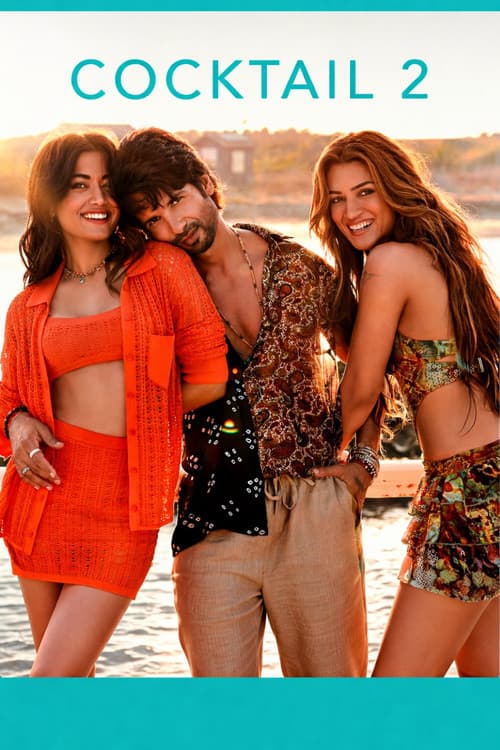
When Homi Adajania redefined the landscape of contemporary romantic comedy-drama in 2012 with Cocktail, few anticipated the enduring cultural footprint it would leave on South Asian cinema and its diaspora audiences. The film managed to strike a delicate balance between glitzy metropolitan aesthetics, emotional vulnerability, and raw interpersonal complexities. Now, over a decade later, Maddock Films and the creative machinery behind the original hit are officially ready to roll the dice again. Scheduled to hit international silver screens on June 19, 2026, Cocktail 2 is not merely a cash-grab sequel capitalizing on nostalgic brand equity; it represents an ambitious attempt to recalibrate the romantic comedy genre for a generation that views relationships through a fundamentally different digital and psychological lens.
The Anatomy of a Cult Classic: Why the Original Resonated Beyond Borders
To understand why a sequel is generating immense industry buzz, one must examine the lightning-in-a-bottle phenomenon of the 2012 predecessor. Anchored by breakthrough performances, a chart-topping soundtrack composed by Pritam, and a strikingly modern depiction of urban rootlessness, the original film captured the imaginations of audiences from Mumbai to Tashkent. For viewers across the CIS region and Central Asia, where contemporary commercial cinema often bridges Western narrative pacing with emotional traditionalism, the film's depiction of friendship, sacrifice, and romantic ambiguity felt remarkably fresh. It spoke directly to young urbanites navigating the friction between traditional familial expectations and modern personal freedom.
However, the cinematic landscape of the mid-2020s is lightyears away from the early 2010s. Modern audiences have grown weary of recycled tropes, formulaic meet-cutes, and sanitized depictions of heartbreak. The filmmakers behind Cocktail 2 face the formidable challenge of updating the narrative blueprint. Early industry whispers suggest that the narrative will sidestep the traditional love triangle in favor of exploring intricate platonic codependency, career burnout, and the emotional turbulence of late-twenties existentialism. By introducing characters like Diya, Kunal, and the enigmatic returning catalyst Ally, the creative team aims to dissect how modern friendships buckle under the immense weight of professional ambition and unexpressed resentments.
Production Scale, Expectations, and What to Anticipate in 2026
Maddock Films has consistently proven its ability to balance commercial viability with high-concept storytelling, ranging from mythological horror-comedies to grounded romantic dramas. The decision to greenlight a sequel to one of their foundational hits underscores a strategic shift toward trusted cinematic universes and legacy IPs. As production ramps up toward the summer 2026 theatrical window, trade analysts are closely monitoring casting announcements, stylistic choices, and whether the sequel will capture the same effortless visual flair that made the original a style reference for a whole decade.
- Official Release Date: June 19, 2026 (Worldwide theatrical premiere)
- Production Studio: Maddock Films
- Primary Genres: Romance, Comedy, Contemporary Drama
- Core Themes: Urban relationships, platonic loyalty, emotional maturation
As the cinematic calendar fills up with massive superhero spectacles and franchise exhaustion sets in among general audiences, grounded character-driven comedies like Cocktail 2 might just provide the refreshing antidote moviegoers are craving. Whether you discovered the original film on late-night television in Central Asia or streamed it repeatedly for its unforgettable soundtrack, the return to this universe promises to be one of the most talked-about cinematic events of the summer. Keep your eyes peeled for the official trailer drop in early 2026, which will offer our first real glimpse into the visual and tonal direction of this anticipated follow-up.