
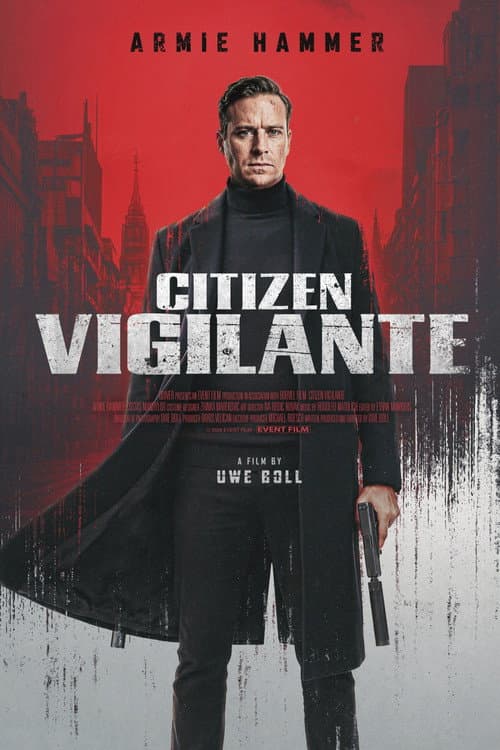
The cinematic landscape has long maintained a complicated, fascinating romance with the figure who stands outside the law to correct its perceived failures. When Sanders steps into the shadows in June 2026, he will join a historic lineage of silver-screen iconoclasts who looked at a broken system and decided to wield the hammer themselves. From the gritty urban anxiety of 1970s American cinema to the hyper-stylized international thrillers dominating modern streaming and theatrical windows, the vigilante archetype serves as a pressure valve for societal frustrations. Audiences are continually invited to interrogate the thin line between justice and vengeance, an aesthetic tension that fuels the narrative engine of high-stakes action cinema across global markets.
The Anatomy of Modern Vigilante Thrillers
At its core, the appeal of a story centered on a civilian-turned-avenger lies in the universal feeling of powerlessness against systemic decay. Modern thrillers must work harder than their predecessors to justify a protagonist's extrajudicial campaign. It is no longer enough simply to show street-level crime; the narrative must weave a complex web where criminals and the corrupt officials shielding them operate in plain sight. This structural rot gives the protagonist a moral scaffolding, allowing viewers to vicariously experience the catharsis of accountability where institutions have failed. Yet, the introduction of a high-level antagonist—such as an Interpol chief entering the fray—complicates the dynamic, transforming a simple revenge fantasy into a high-stakes geopolitical game of cat and mouse.
This narrative escalation reflects changing audience expectations regarding scale and consequence. In an era dominated by borderless digital communications and international syndicates, a local crusader quickly attracts global scrutiny. The clash between a grassroots folk hero and transnational law enforcement creates a compelling ideological battleground. One side sees a dangerous escalation of lawlessness that threatens civil order, while the public often views the same figure as a necessary corrective to institutional apathy. This dichotomy drives the dramatic momentum, ensuring that the spectacle of action is grounded in a recognizable, albeit heightened, socio-political reality.
Production Context and Global Reach
As the June 2026 release date draws nearer, industry analysts are closely monitoring how independent action features position themselves against franchise blockbusters. Mid-budget thrillers rely heavily on tight pacing, inventive stunt choreography, and sharp thematic relevance to capture market share. The inclusion of international law enforcement elements suggests a broader narrative canvas, designed to appeal to diverse territories where stories of institutional corruption strike a powerful chord. For viewers worldwide, the universal language of action cinema bridges cultural divides, turning a localized tale of vengeance into a globally resonant event.
- Project Title: Citizen Vigilante
- Scheduled Release: June 19, 2026
- Primary Genres: Action, Thriller
- Key Character Dynamics: Grassroots vigilante versus Interpol oversight
Looking ahead, the success of this upcoming release will likely depend on its ability to balance pulse-pounding action sequences with genuine moral ambiguity. If the film can successfully navigate the well-trodden tropes of the genre while offering a fresh perspective on public accountability versus international law, it could carve out a significant space in the competitive summer release calendar. Cinephiles and action enthusiasts alike will be watching closely to see if Sanders ultimately redefines what it means to seek justice in a compromised world.