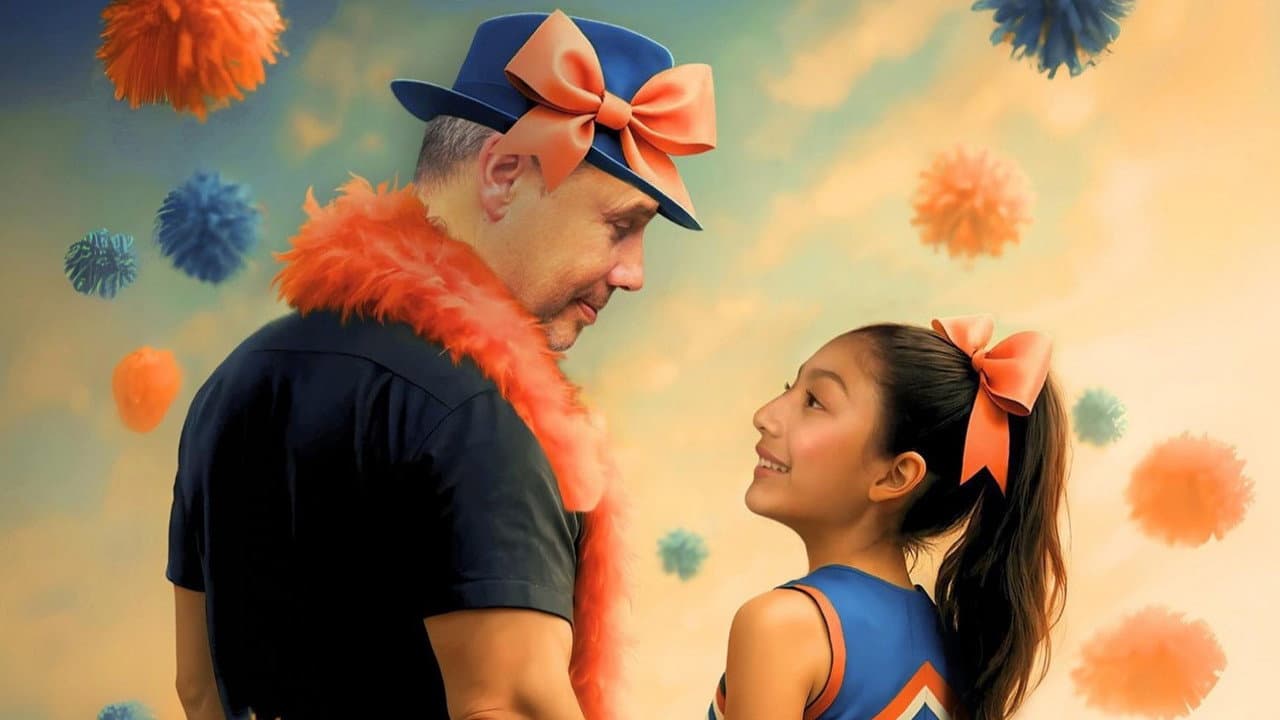
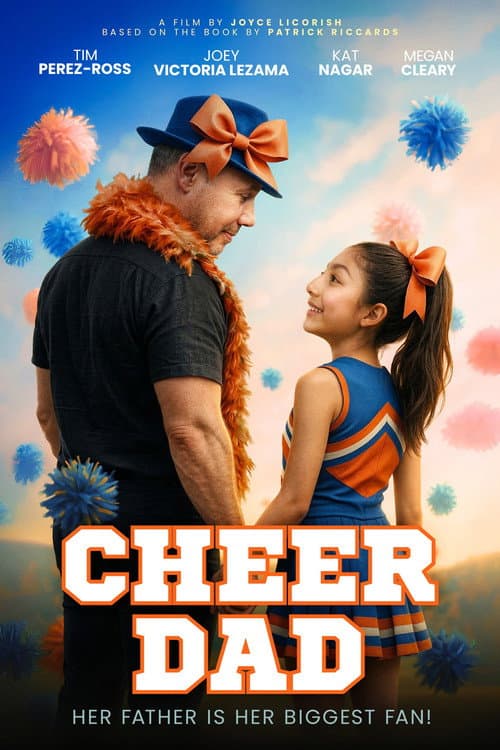
The cinematic landscape of the mid-2020s has witnessed a fascinating evolution in how family dynamics are portrayed on the silver screen. Moving far beyond the conventional suburban sitcom tropes of the past, contemporary storytelling increasingly leans into stories of blended families, adoption, and the surprising avenues through which parents and children forge unbreakable bonds. Enter Cheer Dad, slated for a theatrical rollout on June 19, 2026. At first glance, the premise might seem like standard-issue wholesome entertainment: a young girl relocates to an unfamiliar town, struggles to find her footing, and eventually discovers her tribe by trying out for the school cheerleading squad. Yet, beneath this familiar coming-of-age veneer lies a deeply resonant narrative about paternal dedication, breaking social stereotypes, and the unspoken emotional labor of modern parenting.
The Cultural Shift in Sports Dramas and Paternal Roles
For decades, sports cinema has heavily favored traditional gridiron football, basketball, or baseball narratives when exploring father-child relationships—think of the classic hard-nosed coach father pushing his reluctant son or daughter toward athletic glory. Cheer Dad flips this script with refreshing ingenuity. Competitive cheerleading has long since shed its outdated reputation as merely a sideline spectacle, evolving globally recognized, high-stakes athletic discipline requiring elite gymnastics, immense synchronization, and ironclad resilience. By placing an adoptive father squarely into this hyper-specialized, female-dominated environment as an assistant coach, the film touches upon contemporary themes of male vulnerability and active parenting. It asks a compelling question: how far is a parent willing to step outside their comfort zone to truly understand and support their child's passion?
This narrative choice taps into a broader cultural conversation happening across international film markets, including the CIS and Central Asian regions, where traditional gender roles in child-rearing are rapidly shifting. Modern audiences increasingly demand nuanced portrayals of fatherhood—depicting men who are not merely providers, but emotionally available partners in their children's journeys. The film's blend of comedy and drama serves as an ideal vehicle for exploring these transitions without leaning overly didactic. The humor arises organically from the fish-out-of-water scenario of a well-meaning father navigating the intense, glitter-drenched, high-pressure world of competitive squads, while the dramatic core anchors the story in the very real vulnerabilities of adoption and integration.
Production Context, Expectations, and What Lies Ahead
As the entertainment industry continues to recalibrate its mid-budget theatrical strategy, family-oriented features that can successfully bridge demographic gaps are becoming gold dust for studios. While blockbusters chase superhero fatigue, films like Cheer Dad rely heavily on strong word-of-mouth, relatable character arcs, and universal emotional touchstones. Industry analysts are keeping a close eye on how the film performs during the crowded early-summer box office window of 2026, competing against massive CGI spectacles. However, its counter-programming strategy might just be its greatest asset, appealing directly to families, teenagers, and sports enthusiasts seeking genuine emotional payoff rather than endless spectacle.
- Release Date: June 19, 2026
- Primary Genres: Family, Comedy, Drama
- Core Themes: Adoption, Competitive Cheerleading, Modern Fatherhood, Belonging
- Target Audience: Family demographic, teen sports drama fans, contemporary comedy enthusiasts
Ultimately, the success of Cheer Dad will hinge on the chemistry between its leads and the authenticity brought to the competitive cheer sequences. If the creative team manages to balance the slapstick potential of the premise with genuine emotional gravity, this project could easily transcend its modest genre trappings to become a sleeper hit. As we count down the months to its summer premiere, the early promotional materials suggest a film that wears its heart proudly on its sleeve—reminding us that sometimes, supporting your child means learning how to stunt, tumble, and cheer right alongside them.