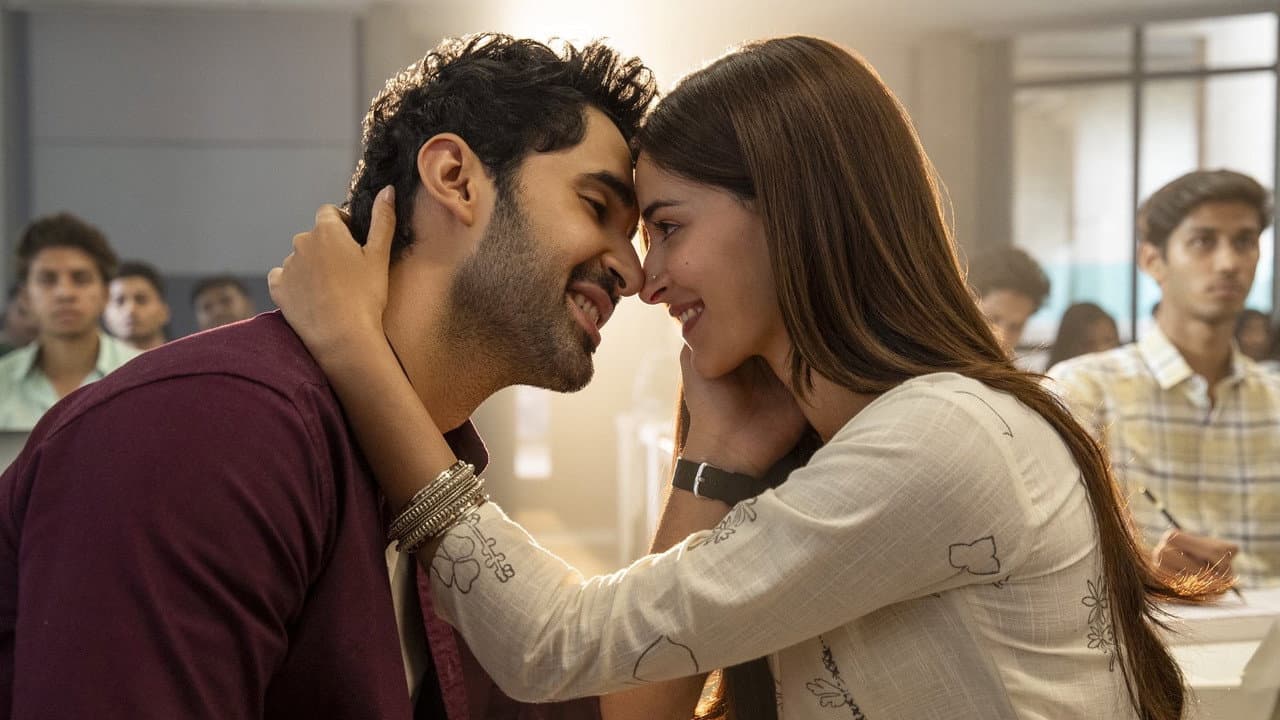

Cinema has long romanticized the carefree nature of university life, painting campus years as an eternal golden hour of spontaneous road trips, library late-nighters, and unshakeable bonds. Yet, the transition from lecture halls to the workforce often acts as a brutal narrative cliff. Enter Chand Mera Dil, a sweeping new romantic drama currently playing in theaters that refuses to let its protagonists linger safely in their academic bubble. Directed with an eye for intimate emotional geography, the film traces the trajectory of Aarav and Chandni, two ambitious university sweethearts whose fiercely passionate romance is suddenly derailed by the unforgiving machinery of adulthood. As graduation looms and career trajectories pull them in divergent directions, the movie asks a poignant question: can a love forged in the hothouse of youth survive the frost of real-world compromise?
The Anatomy of Modern Cinematic Romance
What sets Chand Mera Dil apart from conventional box-office romances is its structural refusal to rely on melodramatic villains or manufactured misunderstandings. Instead, the primary antagonist of the narrative is time, coupled with the crushing weight of societal expectations. Aarav and Chandni are not fighting each other; they are fighting the clock, their own soaring ambitions, and the sudden realization that childhood dreams require financial and emotional collateral. The screenwriting captures this generational anxiety with remarkable precision, particularly resonating with audiences in developing entertainment markets across Eurasia where the tension between familial duty and individual passion is a daily lived reality. For viewers in Central Asia, where higher education often serves as the primary springboard for fierce social mobility, the sacrifices depicted on screen carry a deeply familiar weight. The film examines how ambition can quietly erode intimacy, turning midnight confessions about art and philosophy into frantic text messages about job interviews and apartment leases.
Visually and aurally, the production leans into a contemporary aesthetic that bridges glossy studio polish with indie-film naturalism. The cinematography utilizes a shifting color palette—warm, golden-hour hues during the idyllic campus prologue that gradually desaturate into stark, cool urban tones as the characters enter the workforce. The musical score avoids intrusive background noise, instead letting silence and ambient street sounds underscore the emotional distance growing between the couple. Performance-wise, the lead actors anchor the drama with a grounded vulnerability that steers clear of theatrical caricature. They portray young adults who are neither entirely innocent nor maliciously selfish, but simply overwhelmed by the velocity of life. This emotional authenticity has generated strong word-of-mouth chatter, proving that audiences still crave character-driven storytelling amidst a cinematic landscape dominated by high-concept franchises.
- Genre: Contemporary Romantic Drama
- Core Themes: Ambition vs. Relationship, Coming-of-Age, Real-World Compromise
- Target Audience: Young adults, urban professionals, romance enthusiasts
- Theatrical Release: Currently playing in cinemas nationwide
Cultural Resonance and the CIS Viewership Perspective
The universal dilemma of balancing personal career goals with romantic devotion finds a particularly receptive audience across the CIS region. In recent years, young urbanites from Tashkent to Almaty have navigated rapid socio-economic shifts, making stories about career-driven youth exceptionally relatable. Chand Mera Dil mirrors this shifting cultural landscape, where traditional notions of partnership are constantly renegotiated against the backdrop of modern corporate ambition. When Aarav and Chandni realize that loving one another requires more than just shared playlists and late-night talks—that it demands active sacrifice and emotional maturity—they mirror the exact internal conflicts faced by modern graduates entering competitive job markets. The film speaks fluently to a generation that values independence yet dreads emotional isolation.
Ultimately, Chand Mera Dil serves as both a cautionary tale and a comforting reminder. It suggests that while first love rarely survives in its original, unblemished state, the evolution of that bond can lead to a deeper, more resilient form of connection. As the film continues its theatrical run, it invites moviegoers to reflect on their own formative relationships and the choices that shaped their adult lives. For those seeking a thoughtful, emotionally resonant cinematic experience that respects the intelligence of its audience, this modern romance is well worth booking a ticket for this weekend.