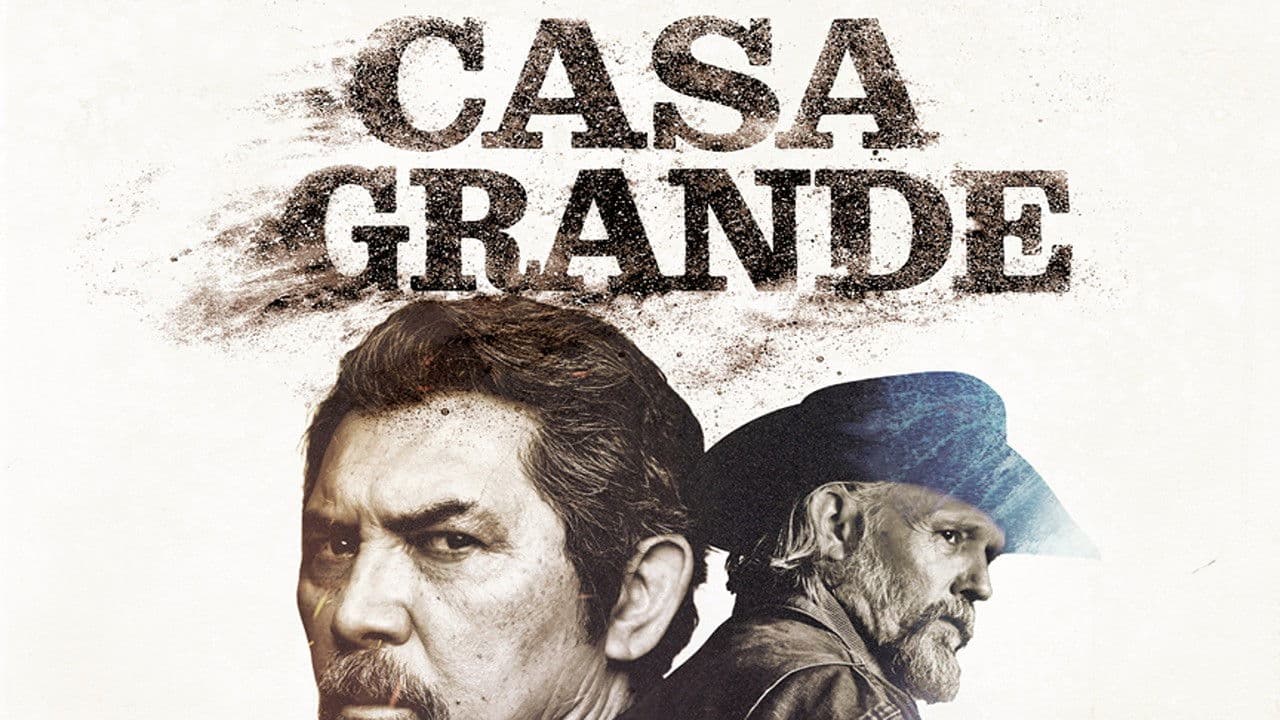

The contemporary cinematic landscape has seen a fascinating resurgence of the Western, shifting away from dusty 19th-century vistas toward modern rural landscapes where corporate greed, ecological collapse, and generational trauma collide. Set to hit theaters and digital platforms on May 1, 2026, Casa Grande emerges as a striking entry in this evolving cinematic movement. Directed with a keen eye for atmospheric tension, the film positions itself at the intersection of intimate family tragedy and high-stakes economic survival. The narrative centers on a prodigal daughter who reluctantly returns to her family's struggling farm just as her patriarch faces a terminal illness and ruthless corporate competitors circling like vultures.
Deconstructing the Modern Rural Western
For audiences in Central Asia and the broader CIS region, the themes of agrarian hardship, land attachment, and generational duty strike a deeply resonant chord. Just as classic Uzbek and Soviet-era cinema frequently explored the existential weight of working the land—from the cotton fields of the Fergana Valley to the vast steppes—Western cinema has long used the farm or ranch as a microcosm for societal change. Casa Grande leans heavily into this universal tradition, discarding fast-paced action tropes in favor of lingering character studies and simmering interpersonal conflicts. The tension between the ailing father refusing to surrender his life's work and the corporate pressure bearing down on him reflects a global anxiety regarding the death of family-owned enterprise.
Furthermore, the arrival of the estranged daughter introduces a psychological layer that elevates the film beyond a standard regional struggle. Old emotional wounds do not heal easily under the harsh sun and financial duress; instead, they fester. The screenplay avoids easy sentimental resolutions, choosing instead to examine how guilt, expectations, and love manifest when time is running out. Cinematographically, early promotional materials and trailers suggest a muted, earthy color palette that mirrors the emotional desolation of the characters. Wide landscape shots emphasize the isolation of the farm, contrasting sharply against the claustrophobic interiors where family arguments reach their boiling point.
Production Context and What to Anticipate
Independent filmmaking of this caliber relies heavily on raw performances and atmospheric world-building rather than CGI spectacles. While major studio tentpoles dominate the global box office, projects like Casa Grande keep the artistic pulse of cinema alive. For film enthusiasts in our region tracking international indie releases, this title represents a masterclass in how genre conventions can be subverted to tell deeply human stories. The blend of classic Western motifs—such as defending one's homestead and facing inevitable showdowns—with contemporary domestic drama ensures that the film will appeal to both traditional genre fans and art-house devotees.
- Release Date: May 1, 2026
- Genre: Drama, Western
- Core Themes: Generational conflict, corporate pressure, rural survival
- Target Audience: Fans of contemporary indie cinema and character-driven dramas
As the May 2026 premiere approaches, anticipation continues to build around how the film will handle its delicate balance of terminal illness melodrama and territorial defense. For viewers looking for a thoughtful cinematic experience that values quiet intensity over explosive CGI, Casa Grande is shaping up to be one of the most emotionally rewarding releases of the spring season. Keep this title on your radar as festival buzz and final promotional rollouts unfold over the coming months.