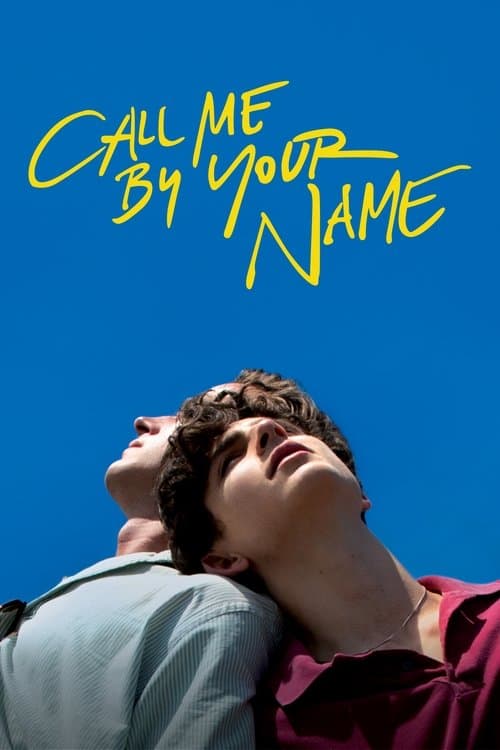
When Luca Guadagnino brought André Aciman’s acclaimed novel to the silver screen, few anticipated the seismic cultural shockwave the film would generate across the global cinematic landscape. Set against the sun-baked, peach-scented backdrop of the 1983 Italian countryside, the narrative immerses viewers in a hypnotic trance of intellectual sparring, classical art, and burgeoning desire. At its core, the film chronicles the intense, fleeting romance between precocious seventeen-year-old Elio Perlman and Oliver, a charming American academic doctoral student interning with Elio's father. Far beyond a conventional coming-of-age story, Guadagnino crafted a sensory experience that lingers long after the credits roll, propelled by Sayombhu Mukdeeprom’s luminous cinematography and the haunting, melancholy lyricism of Sufjan Stevens’s Grammy-nominated soundtrack.
The Aesthetic of Nostalgia and the Architecture of Longing
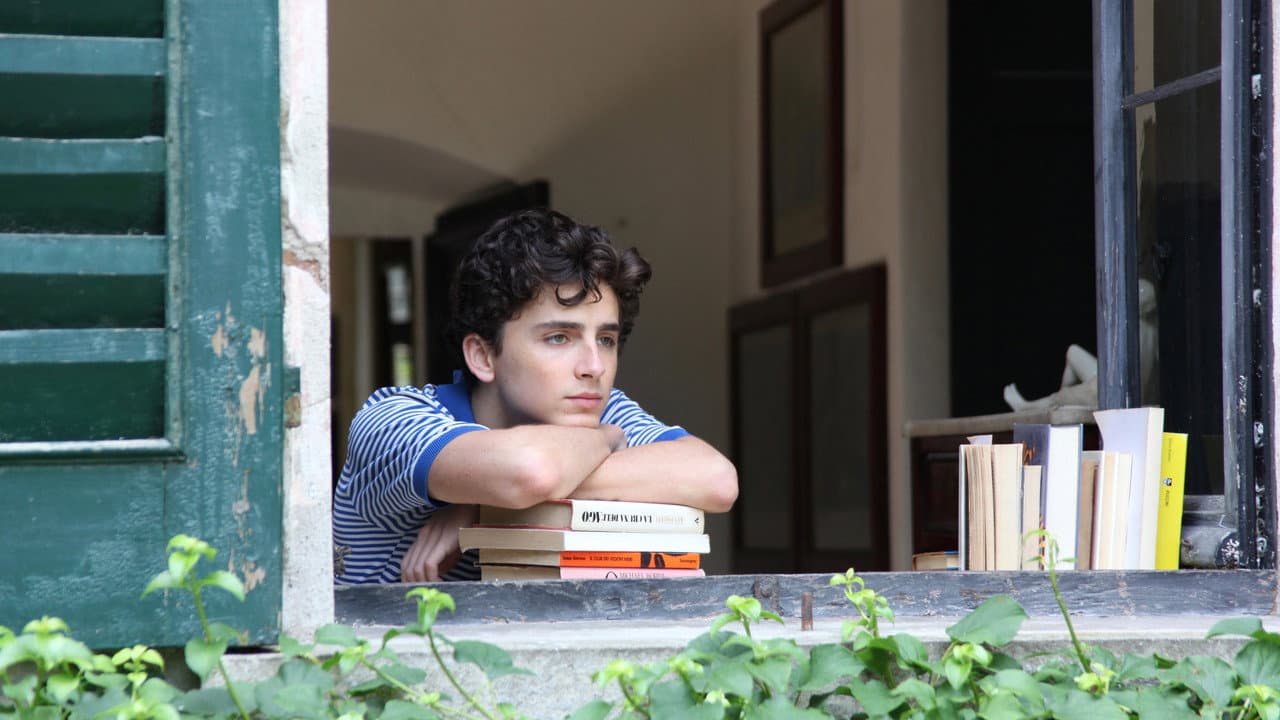
Guadagnino's directorial triumph lies in his meticulous world-building, which treats the idyllic northern Italian villa not merely as a set, but as a living, breathing participant in the romance. The afternoon heat, the buzzing cicadas, the cold water of the river, and the sprawling orchards create an atmosphere of timeless suspension—a golden hour of youth that is destined to end. This aesthetic of sensory memory heavily influenced contemporary indie cinema, popularizing a sub-genre of sun-drenched, melancholic romance that prioritizes mood and texture over linear plotting. The film’s pacing allows audiences to inhabit Elio’s headspace, feeling the agonizing uncertainty, the intoxicating rush of intellectual equals colliding, and the inevitable sting of heartbreak that comes with first love.
Moreover, the picture achieved a cultural milestone through its nuanced portrayal of familial acceptance. Michael Stuhlbarg’s unforgettable monologue delivered by the father near the film's conclusion serves as an emotional anchor, redefining cinematic depictions of queer youth by replacing traditional tragedy with profound empathy and parental wisdom. This sequence alone elevated the project from a standard indie romance into a landmark cultural text, resonating deeply with international audiences who rarely saw such tender validation on screen.
Global Resonance and Career-Defining Breakthroughs
The release served as a massive career catalyst for its principal cast and crew, fundamentally altering the trajectory of modern Hollywood casting. Timothée Chalamet’s portrayal of Elio earned him an Academy Award nomination for Best Actor at just 22 years old, instantly cementing his status as a generational talent and a global fashion icon. Meanwhile, Armie Hammer delivered arguably his most magnetic career performance, capturing Oliver's complex blend of youthful bravado and guarded vulnerability. For Central Asian and CIS cinephiles, who often encounter Western independent cinema through digital streaming festivals and specialized film clubs, the picture offered a rare masterclass in European arthouse sensibilities blending seamlessly with accessible emotional storytelling.
- Director: Luca Guadagnino
- Key Cast: Timothée Chalamet, Armie Hammer, Michael Stuhlbarg, Amira Casar
- Release Date: November 24, 2017 (USA limited)
- Accolades: Academy Award for Best Adapted Screenplay (James Ivory)
As we look back at its enduring legacy, Call Me by Your Name remains a touchstone for how modern cinema handles intimacy and heartbreak. For viewers seeking similar emotional depth, exploring Guadagnino’s subsequent filmography—such as Bones and All or Challengers—reveals a recurring fascination with raw human hunger and complex relational dynamics. Yet, this 2017 classic retains a singular, irreplaceable warmth, reminding every generation of the beauty and cost of loving without hesitation.