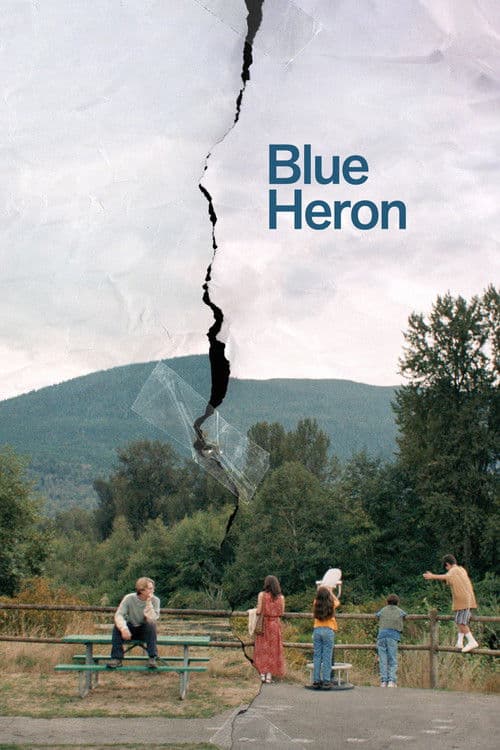
Cinema has long been fascinated by the fault lines that run through domestic spaces, transforming the suburban home into a pressure cooker of unspoken resentments and fragile hopes. When a family of six relocates to the rugged, mist-shrouded expanses of Vancouver Island in the late 1990s, they are ostensibly seeking refuge and a clean slate. Yet, as any seasoned cinephile knows, geography rarely heals internal trauma. Directed with a steady, atmospheric hand, the upcoming drama Blue Heron positions itself as a masterclass in tension, capturing a pivotal moment in time through the observant, vulnerable eyes of the youngest child, Sasha.
Decoding the Late-90s Aesthetic and Domestic Realism
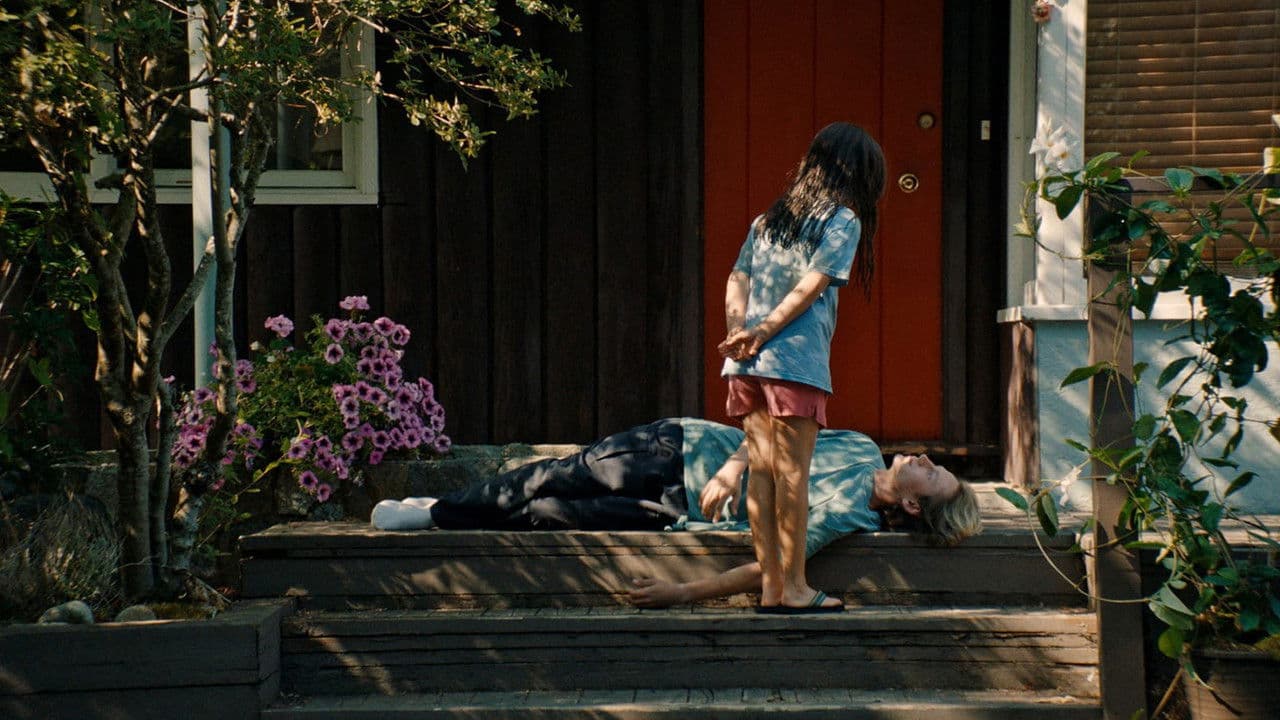
The choice to set the narrative in the late 1990s is far more than a nostalgic nod to dial-up internet, grunge music, and bulky television sets. It represents a specific era of parenting and isolation before hyper-connectivity changed how families process crisis. On Vancouver Island, the natural environment acts almost as an antagonistic force, mirroring the emotional chill inside the household. The cinematography relies heavily on desaturated blues and greens, evoking the damp Pacific Northwest climate while visually reinforcing the widening emotional chasms between family members. This aesthetic choice aligns the film with the tradition of contemporary indie masterpieces that prioritize mood and psychological realism over cheap melodrama.
What sets this project apart in a crowded marketplace of prestige dramas is its commitment to shifting perspectives. By filtering the mounting chaos through Sasha's youthful perception, the narrative achieves a potent blend of innocence and dread. Children in such environments often absorb the atmospheric tension long before they understand its adult roots. The oldest child, Jeremy, emerges as the primary catalyst for disruption, whose increasingly erratic and dangerous behavior threatens to tear the household apart from within. Rather than painting Jeremy as a one-dimensional villain, the screenplay invests in the tragic complexity of mental instability and adolescent alienation within a large family unit.
Production Context and Global Relevance for CIS Audiences
For cinephiles across Eastern Europe and Central Asia, family dramas dealing with migration, relocation, and hidden internal strife strike a particularly resonant chord. The universal struggle of maintaining familial cohesion while navigating economic or geographical shifts transcends cultural borders. While North American indie cinema often focuses on individualistic rebellion, Blue Heron leans heavily into collective survival—the way one member's psychological unraveling forces every other relative to adapt, crack, or break. As the film industry continues to grapple with audience fatigue toward franchise blockbusters, character-driven storytelling like this reminds us why we go to the cinema in the first place: to recognize our own complicated humanity on screen.
- Release Date: April 17, 2026
- Genre: Psychological Drama
- Setting: Vancouver Island, Late 1990s
- Core Focus: Sibling rivalry, family dynamics, and youth perspective
As we approach the April 17, 2026 release date, anticipation is steadily building among critics who track breakthrough independent cinema. The early promotional materials and the atmospheric teaser trailer suggest a film that trusts its audience to read between the lines, eschewing exposition for raw emotional truth. For viewers in our region who appreciate slow-burn European and Asian arthouse traditions, this North American drama offers a compelling parallel, proving that the quietest films often leave the loudest, most lingering impact.