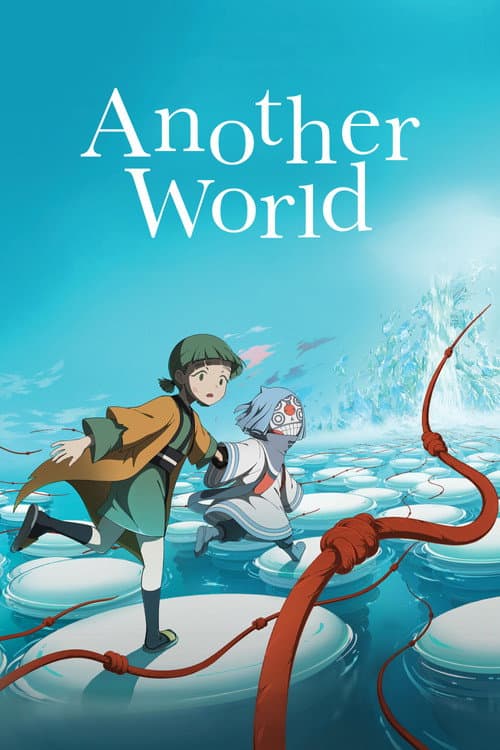
The cinematic landscape is perpetually searching for narratives that manage to bridge the gap between profound philosophical inquiry and universal emotional resonance. As the release date of June 5, 2026, rapidly approaches, the animated feature Another World has emerged as one of the most intellectually stimulating projects on the global entertainment horizon. Generating considerable buzz following its initial promotional rollouts and strong preliminary critical reception, the film invites audiences into a meticulously constructed metaphysical transit zone that exists strictly between earthly demise and the cyclical promise of rebirth. In an era dominated by sprawling cinematic universes and predictable franchise fare, this original conceptual endeavor dares to ask uncomfortable, beautiful questions about the very nature of human consciousness, memory, and emotional turbulence.
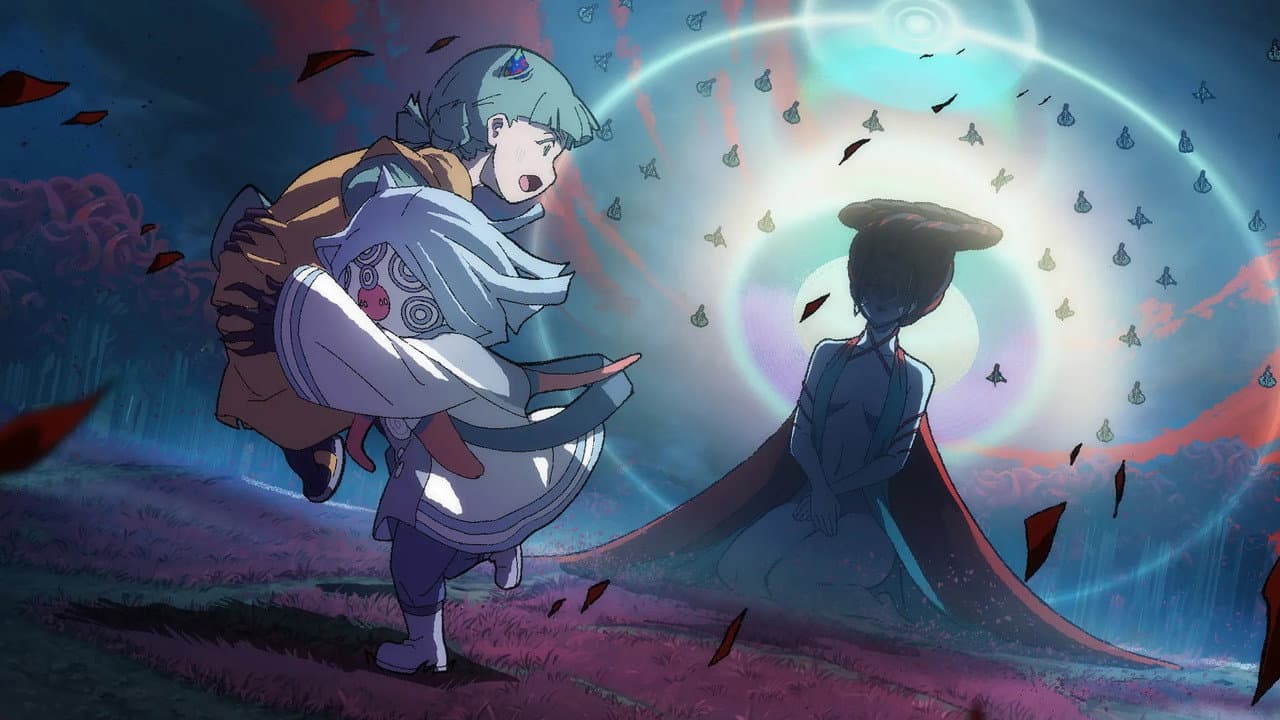
At the beating heart of this intricate narrative is Gudo, an ethereal guide whose eternal existence has been defined by serene detachment rather than visceral experience. Tasked with ushering transient souls toward their next incarnation, Gudo operates within a fantastical bureaucracy of the afterlife until he encounters Yuri, a fiercely conflicted young girl whose unresolved earthly rage threatens to permanently corrupt her spiritual essence. Under the watchful decree of Goddess Mira, Gudo must transcend his detached nature to navigate a perilous psychological landscape. This dynamic instantly evokes the timeless spiritual transit themes found in masterworks like Pixar's Soul or the surrealist masterpieces of Hayao Miyazaki, yet it carves out a distinct artistic identity by placing emotional volatility and anger at the very center of its philosophical inquiry.
The Anatomy of Existential Animation and Global Appeal
Animation has long served as the ultimate medium for exploring abstract existential concepts that might feel too heavy or visually disjointed in live-action cinema. By stripping away the physical constraints of the material world, directors and animators working in the fantasy genre gain the freedom to externalize internal psychological states through breathtaking set design and symbolic visual metaphors. In Another World, the transitional realm is not merely a waiting room, but a dynamic, reactive environment that shifts hues and structural integrity based on the collective emotional weight of the souls passing through it. This artistic choice transforms background art into active storytelling, ensuring that every frame resonates with thematic depth.
For cinephiles across Eastern Europe, Central Asia, and the broader international markets, this brand of elevated animation holds a unique cultural resonance. The artistic traditions of the region have historically embraced poetic cinema, philosophical allegories, and the exploration of the human condition through metaphor. When a film treats complex emotional spectrums—specifically rage, grief, and unexpressed sorrow—not as moral failings to be punished, but as essential components of the human tapestry that even divine entities struggle to comprehend, it strikes a chord across diverse cultural demographics. The preliminary TMDB rating of 7.6 out of 10 reflects an enthusiastic early consensus among critics who recognize the film's ambition to elevate adult-oriented animation.
Production Scale and What to Watch While You Wait
Crafting a visually arresting fantasy realm that balances delicate character drama with high-stakes mystical intervention requires a monumental commitment from its creative team. While major studios often rely on safe formulas, the production behind Another World has focused heavily on cultivating a distinct visual texture that feels both timeless and aggressively modern. The interplay of light and shadow in the afterlife sequences, combined with the fluid, expressive character animation of Gudo and Yuri, demonstrates a mastery of pacing and aesthetic tone. The official trailer offers a breathtaking glimpse into this universe, showcasing fluid action sequences interwoven with quiet, meditative character beats that highlight the widening emotional chasm between spirit and human.
- Official Title: Another World
- Release Date: June 5, 2026
- Primary Genres: Animation, Drama, Fantasy
- Early Critical Reception: 7.6/10 TMDB Rating
- Core Themes: Metaphysical transit, emotional intelligence, spiritual rebirth
As the international film community counts down the months to June 2026, expectations will undoubtedly continue to soar. For viewers eager to prepare their palates for this journey into the metaphysical unknown, revisiting cinematic touchstones such as Studio Ghibli’s Spirited Away, Mamoru Hosoda’s Mirai, and Pete Docter’s Soul will provide a fascinating contextual framework. Ultimately, Another World promises to be far more than a visual spectacle; it stands poised to challenge our collective understanding of what it means to feel, to suffer, and to heal across the boundaries of mortality itself.