
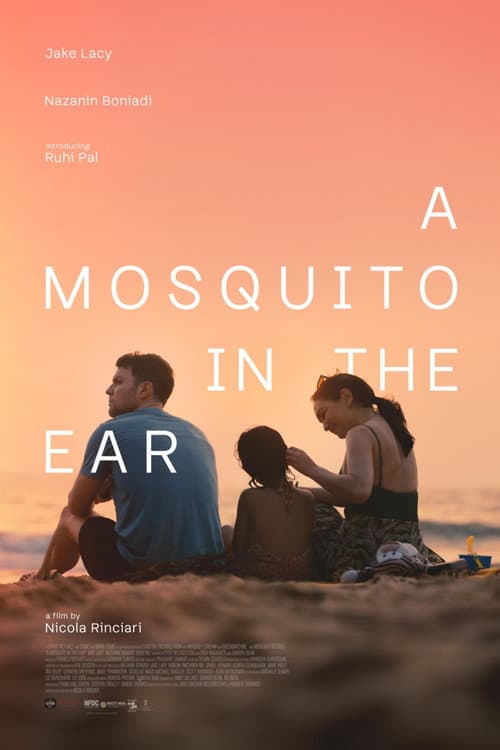
When cinema attempts to portray the labyrinthine process of international adoption, it too often leans into sentimentality, painting a picture of instant familial bliss and tearful airport reunions. Yet, the upcoming cinematic adaptation of Andrea Ferraris' acclaimed Italian graphic novel, Una Zanzara nell’Orecchio, promises to shatter these sanitized tropes. Scheduled for theatrical release on June 11, 2026, the film follows an American couple, Andrew and Daniela, as they journey to India with the hope of expanding their family. Instead of a seamless transition, they encounter a profound psychological hurdle: the young girl they intend to adopt is completely unaware of their existence and fiercely resistant to leaving the only home and community she has ever known.
Translating Graphic Memoir to Cinematic Realism
The journey of A Mosquito in the Ear from printed page to motion picture is a fascinating study in modern adaptation. Andrea Ferraris originally crafted the graphic novel as an intimate, deeply personal reflection of his own lived experiences navigating the bureaucratic and emotional terrain of international adoption. Translating a medium defined by minimalist lines, stark pacing, and internal monologue into a living, breathing dramatic feature requires immense narrative dexterity. Director and screenwriters had to expand the original text's peripheral perspectives, giving equal weight to the stifling heat of the Indian city, the echoing corridors of the institutional orphanage, and the mounting psychological pressure experienced by the prospective parents.
In the cinematic landscape, stories dealing with cross-cultural adoption from a Western perspective frequently risk reducing non-Western settings to exotic backdrops. However, early industry insights and promotional materials suggest that this production consciously avoids such pitfalls. By anchoring the narrative conflict in the child’s perspective—her agency, her confusion, and her absolute right to grief and autonomy—the film shifts the ethical gaze. It asks uncomfortable questions that resonate deeply with modern global audiences: What does it truly mean to rescue someone who does not ask to be saved? How do good intentions collide with cultural displacement? These are themes that elevate the project far beyond a standard melodrama, positioning it as a poignant psychological character study.
Production Context and Global Relevance for CIS Audiences
For cinephiles and industry observers across the CIS region and Central Asia, international adoption narratives carry a distinct layer of social resonance. While cross-border adoption laws have tightened dramatically across post-Soviet countries over the last decade, the broader dialogue surrounding institutionalized childhood, foster care reform, and child psychology remains intensely relevant. Viewers in Uzbekistan and neighboring nations are increasingly engaging with cinematic content that interrogates institutional care versus familial environments, making foreign festival-bound dramas like this crucial points of comparison for local independent filmmakers tackling social realism.
- Official Title: A Mosquito in the Ear
- Source Material: Una Zanzara nell’Orecchio graphic novel by Andrea Ferraris
- Release Date: June 11, 2026
- Core Themes: International adoption, cross-cultural friction, child psychology, institutional care
- Primary Setting: India (Orphanage transition phase)
As the June 2026 release date approaches, anticipation is building within the international festival circuit. While major studio blockbusters continue to dominate commercial multiplexes, independent adaptations like this serve as vital cultural barometers, proving that graphic novels remain an extraordinarily rich literary mine for serious dramatic cinema. For audiences seeking mature storytelling that refuses to offer easy moral resolutions, Andrew and Daniela's harrowing yet transformative Indian pilgrimage will undoubtedly be one of the most talked-about viewing experiences of the early summer season.