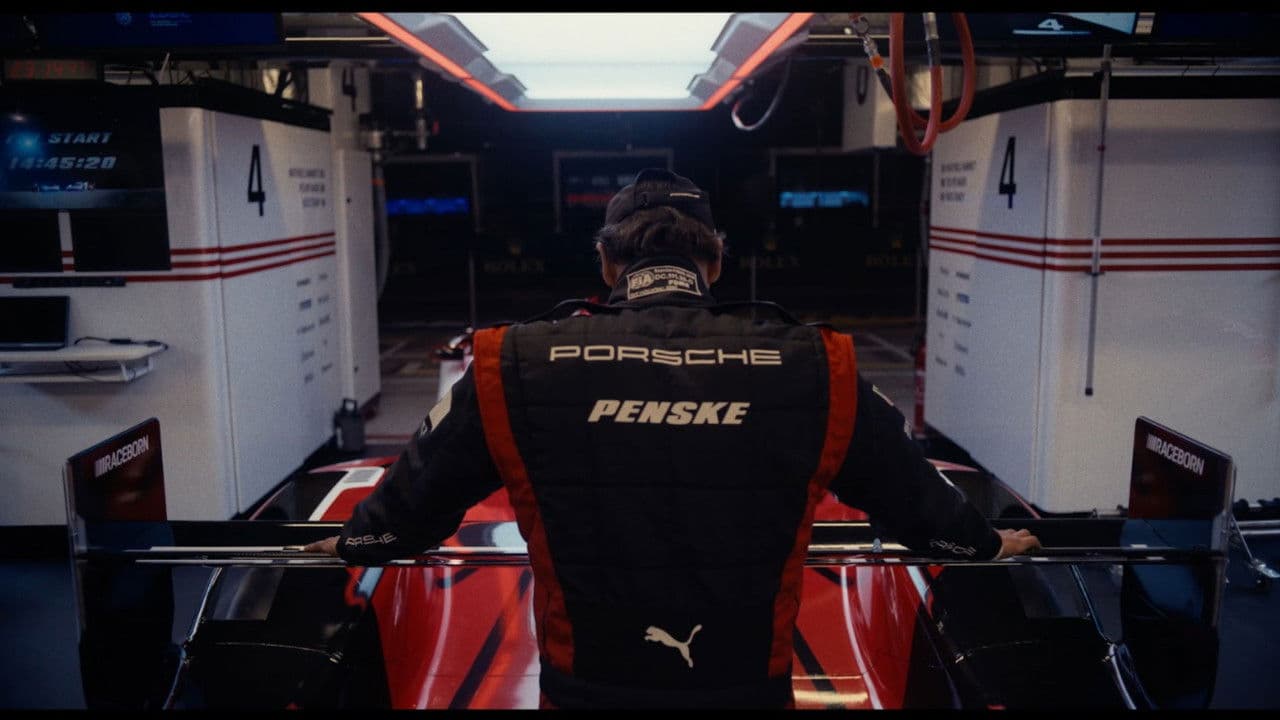
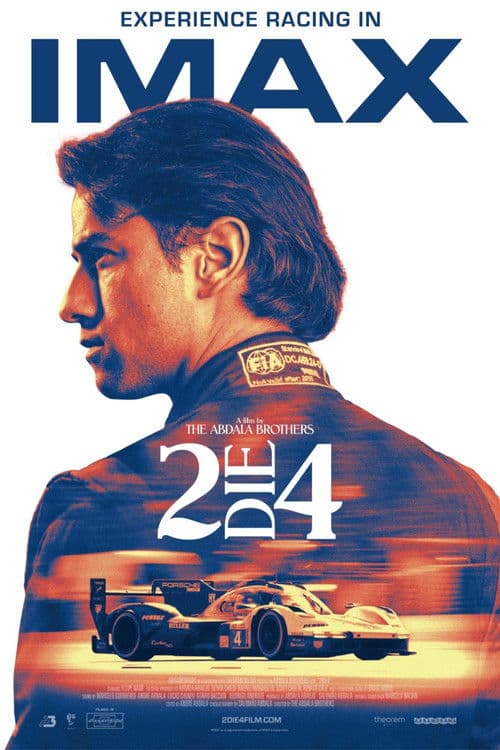
The intersection of motorsport and high-end cinema has always been a treacherous circuit, often resulting in polished studio melodramas that fail to capture the raw, visceral terror of hurtling down a straightaway at 350 kilometers per hour. For decades, Hollywood has attempted to bottle the lightning of Grand Prix racing through scripted vehicles like Sylvester Stallone's ill-fated 'Driven' or, more successfully, through the technical mastery of James Mangold's 'Ford v Ferrari' and Ron Howard's 'Rush'. Yet, a persistent hunger remains among cinephiles and petrolheads alike for absolute authenticity—the kind that cannot be replicated on a soundstage or simulated with digital visual effects. Enter '2DIE4', an ambitious cinematic venture arriving on April 16, 2026, which promises to rip up the rulebook entirely by plunging audiences straight into the cockpit alongside former Sauber and Williams Formula 1 driver Felipe Nasr during an actual, unscripted race.
Blurring Boundaries: The Rise of Real-Time Cinema
What makes '2DIE4' a fascinating case study for industry insiders is its methodological defiance. Billed as an action documentary, the project discards traditional dramatic reconstruction in favor of capturing a narrative unfolding in real time. For Central Asian and CIS film enthusiasts—audiences who have long appreciated the uncompromising grit of regional auteur cinema and high-stakes documentary traditions—this approach feels refreshingly bold. Nasr is not acting a part; he is battling G-forces, degradation of tires, and split-second tactical decisions while specialized camera rigs record the harrowing reality of top-tier motorsport. This technique echoes the stylistic evolution seen in extreme sports filmmaking, pioneered by projects like 'The Art of Flight', but scales it up to the claustrophobic, high-stakes arena of elite professional racing where a single miscalculation carries catastrophic consequences.
From a cinematic standpoint, capturing a story in real time eliminates the safety net of the editing room. Narrative tension in fiction films is manufactured through pacing, musical scores, and close-up inserts of shifting gears. In '2DIE4', the tension is organic, born from the absolute unpredictability of competitive racing. Will Nasr finish the race? Will mechanical failure strike? Will a racing incident alter the trajectory of the narrative entirely? These are questions that neither the director nor the protagonist can answer when the cameras roll. This methodology shifts the documentary genre away from retrospective analysis and pushes it into the thrilling realm of live-action unpredictability, offering viewers a front-row seat to an outcome that hangs entirely in the balance.
The Production Blueprint and Global Appeal
For audiences across the Commonwealth of Independent States, where motorsport fandom has grown exponentially thanks to the global expansion of Formula 1 broadcasts and the proliferation of streaming platforms, '2DIE4' taps directly into a surging cultural current. The film's unique structural framework positions it as a bridge between high-art documentary and adrenaline-fueled action cinema, proving that reality can often produce stakes far higher than anything a screenwriter could invent. As the April release date approaches, cinephiles are watching closely to see if this hybrid format can successfully sustain feature-length dramatic momentum without the traditional crutches of a scripted plot.
- Film Title: 2DIE4
- Release Date: April 16, 2026
- Key Subject: Felipe Nasr (Former F1 Driver)
- Genre: Action, Documentary
- Format: Real-time capture during a live competitive race
As we look toward the spring theatrical landscape, '2DIE4' stands out as a bold antidote to franchise fatigue and CGI-heavy blockbusters. It reminds us that cinema's most potent magic often lies in capturing genuine human striving against insurmountable odds. Whether you are a devoted fan of motorsport engineering or a cinephile searching for formal innovation in documentary filmmaking, this project demands a theatrical viewing. Prepare to strap in, because when the lights go out, there are no second takes.